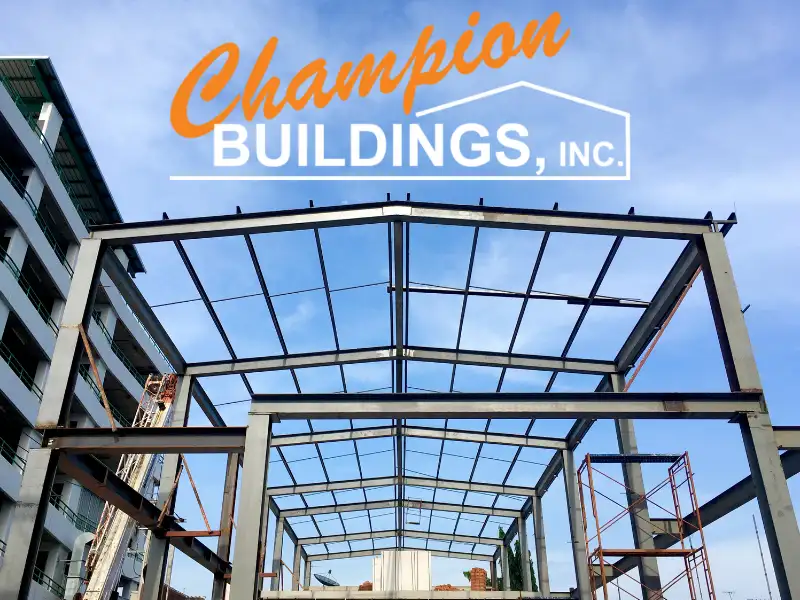
Pre-engineered metal buildings are designed so that structural components arrive ready to be assembled according to the building’s engineered drawings and specifications. That can make the construction process more efficient, but erecting a metal building still requires careful planning, a properly prepared foundation, the right equipment, and close attention to structural alignment and safety.
Understanding the metal building erection process can help you prepare for your project, whether you plan to work with an experienced contractor or use professional steel building erection services.
Quick Answer: A pre-engineered metal building is generally erected by reviewing the engineered plans, preparing and verifying the foundation, erecting the primary steel framing, installing secondary framing and bracing, adding the roof and wall systems, and completing doors, windows, trim, and other accessories. The exact erection sequence depends on the engineered building drawings, manufacturer requirements, site conditions, and project specifications. Because erection involves heavy structural components, lifting equipment, work at height, and temporary structural stability, larger or more complex metal buildings are best handled by experienced erection professionals.
The steps below provide an overview of how the process works. They are not a substitute for the engineer-sealed building drawings, erection instructions, manufacturer specifications, or applicable job-site safety requirements for your specific building.
How a Pre-Engineered Metal Building Is Erected in 6 Steps
Step 1: Review the Engineered Drawings and Erection Instructions
Before construction begins, carefully review the drawings and instructions provided for the building.
Pre-engineered metal buildings are manufactured for a specific design, size, configuration, and location. The building drawings identify where the structural components belong and provide important information about the foundation, anchor bolts, framing, bracing, framed openings, roofing, wall panels, and other components.
Before erection begins, the project team should verify:
- Building dimensions and orientation
- Column and frame locations
- Anchor-bolt layout
- Door and window openings
- Roof and wall systems
- Bracing requirements
- Accessories included with the building
- Equipment and site access needed for erection
Building components should also be inventoried and organized before assembly whenever possible. Identifying missing or damaged components before erection can prevent unnecessary delays once the structural work begins.
The project-specific engineered drawings and erection instructions should remain available throughout the construction process.
Step 2: Prepare and Verify the Foundation
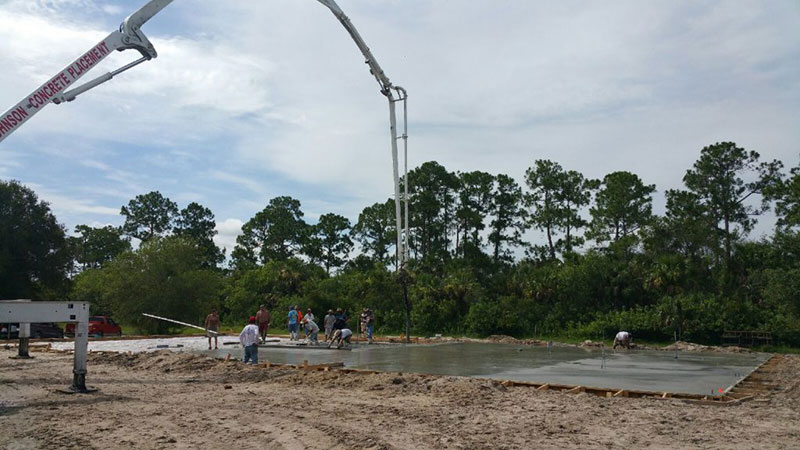
A properly designed and constructed foundation is essential to the performance of any metal building.
Before erecting the steel structure, the site and foundation must be ready to receive the building. Depending on the project, preparation may include clearing, grading, drainage work, excavation, utility preparation, concrete footings, pier pads, a concrete slab, and placement of the anchor bolts.
The foundation requirements depend on factors such as:
- Building size and configuration
- Intended use
- Building reactions and structural loads
- Soil conditions
- Local climate and frost conditions
- Equipment or vehicles that will use the building
- Applicable building-code requirements
Before steel erection begins, critical dimensions, elevations, anchor-bolt locations, and foundation conditions should be checked against the engineer-sealed foundation drawings.
Do not assume that every metal building requires the same slab thickness, footing configuration, or anchor layout. Those requirements should be determined for the specific structure.
For a deeper explanation of foundation types and planning considerations, see Champion Buildings’ guide to foundations for metal buildings or learn about our concrete services for metal buildings.
Step 3: Erect the Primary Steel Frame
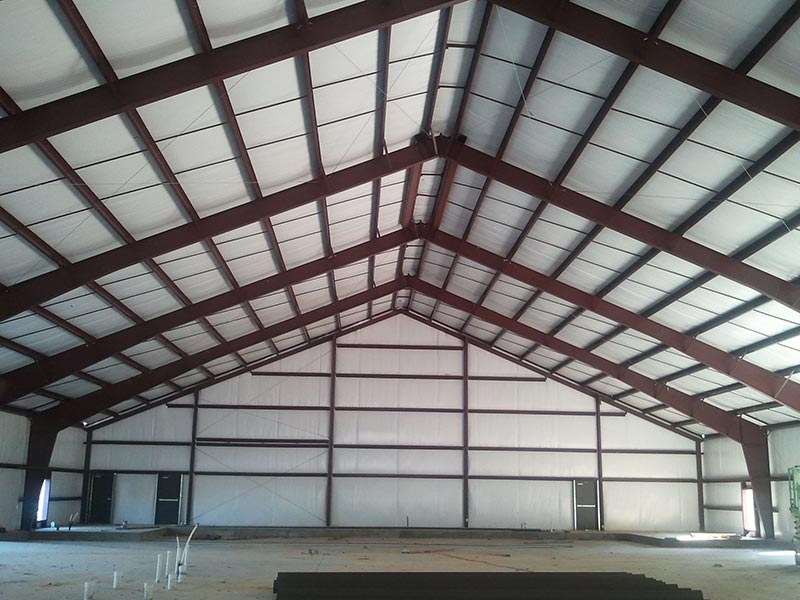
Once the foundation is ready and has been verified, erection of the primary structural framing can begin.
The primary framing generally includes the building’s steel columns and rafters or rigid frames. These are among the largest and heaviest structural components of a pre-engineered metal building.
Depending on the building design and erection plan, lifting equipment may be needed to safely position structural members while crews make the required connections.
During this stage, crews focus on:
- Positioning columns on the designated anchor locations
- Assembling and lifting rafters or rigid-frame sections
- Making the required structural connections
- Installing temporary or permanent bracing as specified
- Checking frame alignment and plumb
- Maintaining structural stability throughout erection
The specific framing sequence and connection requirements should always follow the erection drawings and project specifications rather than a universal step-by-step sequence.
Step 4: Install Girts, Purlins, Bracing, and Framed Openings
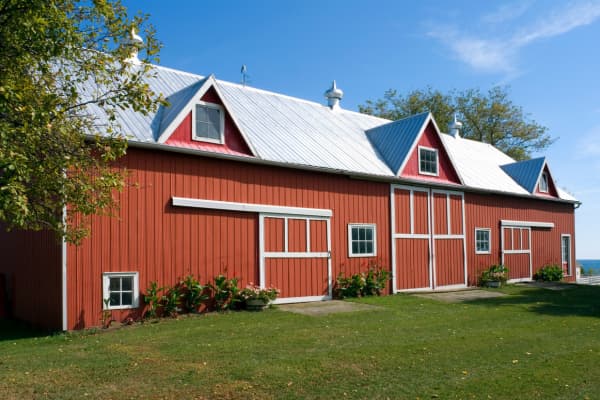
After the primary frames are in position, secondary framing components are installed.
These components help connect and stabilize the structural frame while providing support for the building’s roof and wall systems.
Common secondary framing components include:
Girts: Horizontal framing members that support wall panels.
Purlins: Horizontal roof-framing members that support the roof panels.
Eave struts: Framing components located where the roof and exterior walls meet.
Bracing: Components designed to help maintain the structural stability of the building.
Framed openings: Structural framing around doors, windows, overhead doors, and other planned openings.
The locations, connections, and spacing of these components vary by building. Follow the engineered plans rather than assuming that framing members should be installed at a standard height or spacing.
Temporary bracing should remain in place as required until the building has sufficient structural stability according to the erection plan.
Step 5: Install Insulation, Roof Panels, and Wall Panels
Once the structural framing is properly aligned and secured, installation of the building envelope can begin.
Depending on the building package, this phase may include:
- Roof panels
- Exterior wall panels
- Insulation
- Vapor-retarder systems
- Closures
- Flashing
- Sealants
- Ridge components
Careful installation is important because the roof and wall systems do more than give the building its finished appearance. They also help protect the interior from rain, wind, and other weather conditions.
Panel alignment, overlaps, fastener type and placement, closure systems, sealants, and installation sequence should follow the specifications for the particular building system.
If insulation is part of your project, it should also be installed according to the building and insulation system requirements. Champion Buildings offers several metal building options and insulation solutions that can be selected according to how the building will be used.
Step 6: Complete Doors, Windows, Trim, and Accessories
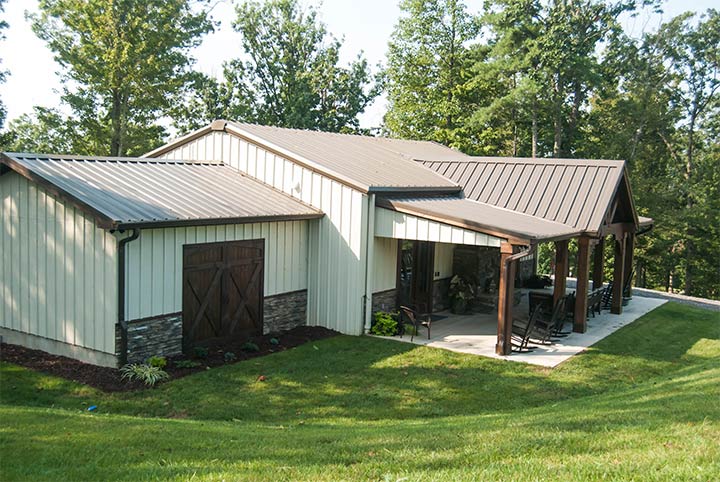
The final stage includes completing the remaining building components and finishing details.
Depending on the building design, these may include:
- Walk doors
- Overhead doors
- Windows
- Exterior trim
- Gutters and downspouts
- Vents
- Insulation finishes
- Flashing
- Other building accessories
Trim and flashing are not simply decorative. Correctly installed finishing components help protect transitions, edges, openings, and other areas of the building envelope from water intrusion.
Once erection is complete, the building should be reviewed for alignment, completed connections, roofing and siding, openings, trim, and other project-specific requirements.
Champion Buildings offers a range of building options and accessories that can be incorporated into the initial building design.
Metal Building Erection Process at a Glance
| Stage | What Happens |
|---|---|
| Planning | Review the engineered drawings, erection requirements, building layout, components, and site conditions. |
| Foundation | Prepare the site, complete the engineered foundation, and verify dimensions and anchor locations. |
| Primary Framing | Erect the columns, rafters, and rigid frames while maintaining alignment and structural stability. |
| Secondary Framing | Install girts, purlins, eave struts, bracing, and framed openings according to the building design. |
| Building Envelope | Install insulation where specified, followed by the roof panels, wall panels, closures, flashing, and sealants. |
| Finishing | Complete doors, windows, trim, gutters, ventilation, accessories, and final project checks. |
How Long Does It Take to Erect a Metal Building?
There is no single erection timeline that applies to every metal building.
A relatively straightforward building with a prepared foundation and good site access can generally be erected more efficiently than a large or highly customized commercial structure. The actual schedule depends on the building and job-site conditions.
Factors that can affect erection time include:
- Building width, length, and height
- Number and complexity of structural bays
- Roof design
- Doors, windows, and other framed openings
- Insulation requirements
- Building accessories
- Crew size and experience
- Crane and lift requirements
- Delivery and equipment access
- Foundation readiness
- Weather
- Site conditions
- Required inspections
The erection schedule should therefore be evaluated as part of the complete project rather than estimated solely from the building’s square footage.
What Affects the Cost of Metal Building Erection?
Metal building erection costs also vary from project to project.
Instead of relying on a generic cost-per-square-foot figure, consider the specific labor, equipment, building design, and site requirements involved in the project.
| Cost Factor | Why It Matters |
|---|---|
| Building Size & Height | Larger or taller structures typically require more labor, equipment, and erection time. |
| Design Complexity | Complex rooflines, lean-tos, canopies, mezzanines, and other design features can add to erection work. |
| Doors & Openings | Large overhead doors and multiple framed openings add structural and finishing requirements. |
| Insulation & Accessories | Insulation systems, gutters, vents, windows, trim, and other accessories affect labor and installation scope. |
| Equipment Requirements | Cranes, lifts, and other equipment may be required based on the size and configuration of the building. |
| Site Access & Conditions | Limited access, difficult terrain, drainage conditions, or other site constraints can affect productivity. |
| Project Location | Travel, local conditions, code requirements, weather, and service availability can influence project scope and cost. |
| Foundation Readiness | Foundation problems or incorrect anchor locations can delay erection and may require correction before framing begins. |
The best way to estimate erection cost is to evaluate the actual building plans, project location, site conditions, and services included in the project.
Metal Building Erection Safety
Metal building erection requires careful safety planning.
Structural steel components can be extremely heavy, and erection frequently involves hoisting operations, elevated work, structural connections, temporary bracing, and changing structural conditions as the building takes shape.
OSHA has specific steel-erection requirements that address systems-engineered metal buildings, structural stability, connections, construction loads, fall protection, and related job-site hazards.
Anyone responsible for erection should follow applicable safety requirements as well as the building’s engineered drawings, erection instructions, and project-specific safety procedures.
Resources from OSHA and the Metal Building Manufacturers Association can provide additional guidance on steel building erection and industry practices.
This article is intended as a general overview of the erection process and should not be used in place of project-specific engineering, erection instructions, manufacturer requirements, or qualified professional guidance.
Should You Erect a Metal Building Yourself?
Whether you should erect a metal building yourself depends heavily on the building and your level of construction experience.
Pre-engineered components can make assembly more organized than fabricating a building from raw materials on site. However, “pre-engineered” does not mean that every building is simple or safe to erect without professional experience.
Metal building erection can involve:
- Heavy structural steel
- Hoisting and rigging
- Cranes and aerial lifts
- Work at height
- Structural bolted connections
- Temporary bracing
- Precise frame alignment
- Roof and wall installation
- Weatherproofing details
A small building may present a very different project from a large commercial, agricultural, storage, or community building.
Before choosing a DIY approach, review the building specifications, equipment requirements, erection instructions, local requirements, and safety considerations. For larger or more complex structures, working with an experienced erection crew can reduce the burden of coordinating equipment, labor, structural assembly, and building-envelope installation.
Champion Buildings provides steel building erection services for qualifying projects depending on project location, building requirements, and scope.
How to Prepare for Metal Building Erection
Good preparation can make the erection process much more efficient.
Before the steel arrives or the erection crew begins work, confirm that:
- The building design and dimensions have been finalized.
- The project site can accommodate building delivery and erection equipment.
- Required site preparation has been completed.
- The foundation has been constructed according to the applicable plans.
- Anchor locations and critical foundation dimensions have been verified.
- Building components can be unloaded and organized safely.
- Utilities or other site work that needs to happen before erection has been coordinated.
- Project-specific drawings and instructions are available to the erection team.
Access is particularly important. Metal building components can arrive on large trucks, and erection may require cranes, lifts, or other construction equipment. Discuss site-access concerns before delivery rather than after the materials arrive.
Metal Building Erection FAQs
Can you put up a metal building yourself?
Some smaller metal buildings may be assembled by owners or contractors who have the appropriate construction experience, equipment, engineered drawings, and erection instructions. Larger pre-engineered metal buildings involve heavy structural components, hoisting, elevated work, temporary bracing, structural connections, and other safety considerations. Professional erection is generally the better option when the building or site is beyond the builder’s experience or equipment capabilities.
How do you prepare the ground for a metal building?
Site preparation can include clearing vegetation and debris, grading the building area, addressing drainage, preparing access for construction equipment, coordinating underground utilities, and constructing the required foundation. The exact work depends on the property, building design, soil conditions, drainage, and foundation plans.
How thick should a concrete slab be for a metal building?
There is no single slab thickness that is correct for every metal building. Slab and foundation requirements depend on the building design, intended use, structural loads, soil conditions, vehicles or equipment inside the building, and engineer-sealed foundation plans. Some projects may use a 4-inch slab, while other applications require thicker slabs, reinforced areas, footings, pier pads, or other foundation components. Follow the foundation design for the specific project rather than selecting slab thickness from a general rule.
Does a metal building need a concrete foundation?
Most enclosed pre-engineered metal buildings require an engineered foundation system, but the type of foundation can vary. Concrete slab-on-grade foundations are common, while some projects may use piers, perimeter footings, or other engineered systems. Agricultural buildings and certain open structures may have different requirements. Building design, use, site conditions, and engineering determine the appropriate foundation.
How long does it take to erect a metal building?
The erection schedule depends on the size and height of the building, complexity, crew, equipment, framed openings, insulation, accessories, foundation readiness, weather, and job-site conditions. A straightforward structure on a prepared site may progress much faster than a large customized commercial project. The actual building and scope should be reviewed before estimating an erection timeline.
What equipment is used to erect a metal building?
Equipment varies according to building size and site conditions. Metal building erection may require cranes or other lifting equipment, aerial lifts, material-handling equipment, power tools, torque equipment, fall-protection systems, ladders, and other construction equipment. The erection plan and building specifications determine what is required for a particular project.
What affects the cost of erecting a metal building?
Major cost factors include building size and height, project location, design complexity, required equipment, site access, number of doors and other openings, insulation, accessories, crew requirements, and the overall erection scope. Because these factors vary widely, project-specific pricing is more useful than a generic erection cost per square foot.
Does Champion Buildings erect metal buildings?
Yes. Champion Buildings can provide steel building erection services for qualifying projects. Depending on the project location, building specifications, and requested scope, Champion can also help with the pre-engineered building package, concrete foundation services, and turnkey project support. Service availability should be confirmed when requesting a quote.
Why Choose Champion Buildings for Metal Building Erection?
Champion Buildings has helped customers with pre-engineered steel and metal buildings since 1999, and our team brings more than 50 years of combined metal building industry experience.
Unlike companies that only supply a metal building package, Champion Buildings can help customers coordinate additional parts of the project. Depending on location and project requirements, services may include:
- Pre-engineered metal building packages
- Concrete foundation services
- Steel building erection
- Turnkey metal building support
- Building options and accessories
Having the building package, foundation, and erection scope coordinated through one experienced metal building company can simplify project planning and reduce the need to manage multiple separate vendors.
Need Help With Your Metal Building Project?
Whether you are planning a commercial building, agricultural structure, garage, workshop, storage building, or another pre-engineered steel building, Champion Buildings can help you determine the right building and project scope.
Depending on your location and requirements, our team can help with the metal building package, concrete foundation, steel building erection, or a turnkey metal building solution.
When requesting a quote, provide the ZIP code where the building will be constructed, the approximate width, length, and height, how you plan to use the building, and whether you need concrete or erection services.